| Holi | |||
|---|---|---|---|
|
Holi, also known as the Festival of Colors, is one of the most vibrant and joyous celebrations in India, marking the arrival of spring and the triumph of good over evil. The festival typically falls in March, heralding the end of winter and the beginning of a season filled with warmth, renewal, and new beginnings. Holi is a time when people come together, regardless of caste, creed, or social status, to revel in the spirit of unity, love, and merriment.
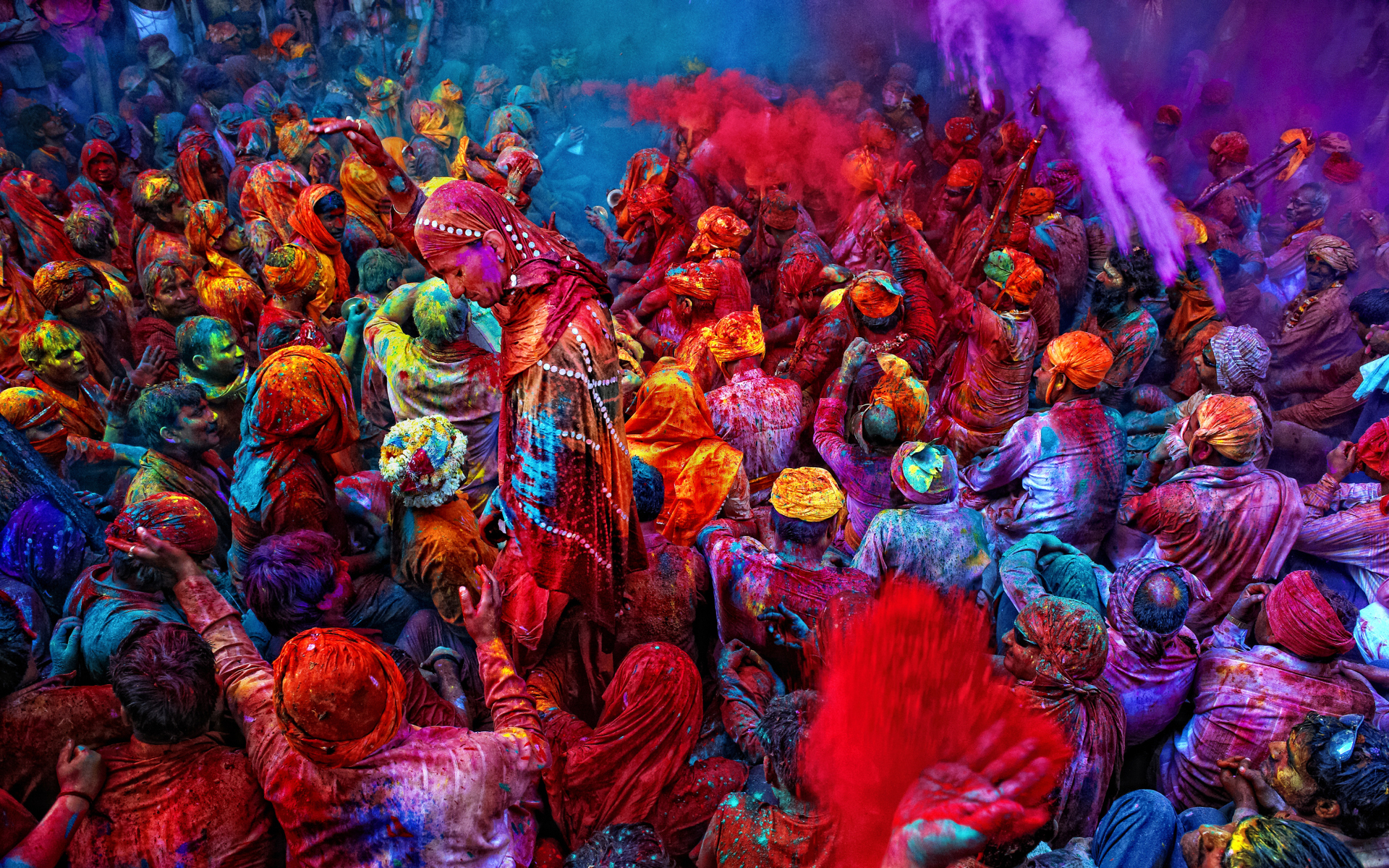
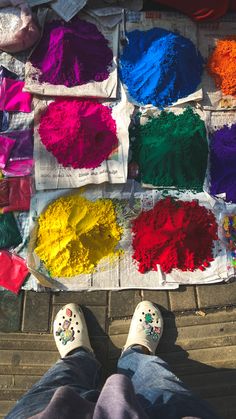
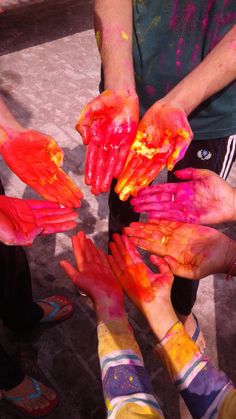
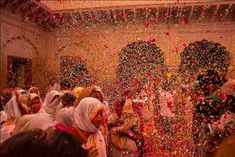
The festivities of Holi commence with Holika Dahan, a ritual bonfire lit on the eve of the main day. This bonfire symbolizes the victory of Prahlad, a devotee of Lord Vishnu, over the demoness Holika, who tried to kill him by sitting in the fire with him. The bonfire serves as a reminder that truth and righteousness will always triumph over evil. On the day of Holi, streets and squares across India erupt into a riot of colors as people gather to play and celebrate. Brightly colored powders, known as gulal, are thrown into the air, covering everyone and everything in a kaleidoscope of hues. Water balloons and water guns are also used, turning the streets into a playful battlefield where laughter and joy reign supreme. People dance to the beat of traditional folk songs, enjoying the infectious energy of the occasion. |
 |
||
|
Holi transcends barriers of age, gender, and social status, bringing people from all walks of life together in a spirit of camaraderie and harmony. It is a time when old grievances are forgotten, and friendships are renewed amidst laughter and shared experiences. The colors of Holi symbolize the diversity of life and the beauty of unity in diversity, reminding us that despite our differences, we are all connected in the tapestry of humanity. Beyond its social significance, Holi also holds deep cultural and religious meaning. It is associated with various legends and myths from Hindu mythology, including the playful antics of Lord Krishna, who is often depicted smearing colors on his beloved Radha and other gopis. The love and devotion shared between Radha and Krishna serve as a central theme of the festival, emphasizing the importance of love and compassion in our lives. In conclusion, Holi is much more than just a festival of colors; it is a celebration of life, love, and unity. It brings people together in a spirit of joy and camaraderie, reminding us of the beauty of diversity and the power of togetherness. As the colors of Holi fill the air, they serve as a vibrant expression of the human spirit, shining bright amidst the darkness and heralding the arrival of spring with hope and renewal. |
|||
 |
 |
 |
 |
HOME |